
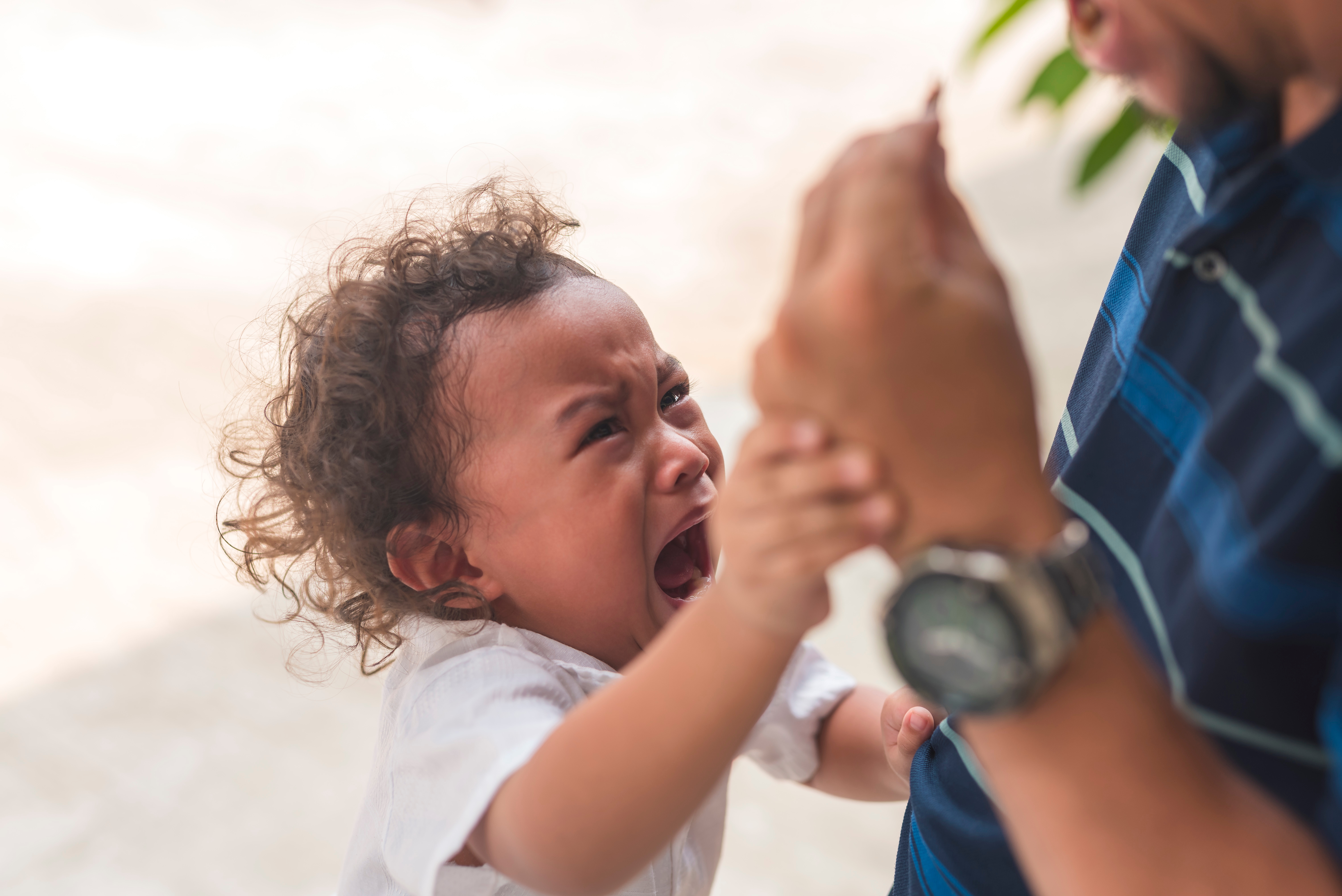
You know the moment. You’re at the grocery store, or the airport, or a family reunion, and something tips. Maybe it’s the fluorescent lights. Maybe it’s the change in plans. Maybe no one can name why. And suddenly you are managing a full dysregulation in public, with people watching, while also trying to hold it together yourself.
Nobody puts that in the discipleship curriculum.
But that moment is not the interruption of your family’s discipleship plan. It may be the center of it.
Paul writes that suffering produces perseverance, perseverance produces character, and character produces hope. He wasn’t writing about comfortable suffering (as though there is such a thing). He was writing about the kind that arrives uninvited and stays longer than we’d like. The kind that doesn’t resolve quickly or neatly. The kind that mixed-needs families know all too well.
When your child who struggles with regulation watches you stay calm — not perfectly, not without effort, but genuinely trying — they are watching someone practice the fruit of the Spirit in real time. When your neurotypical child watches you respond to their sibling’s meltdown with compassion instead of embarrassment, they are getting a live tutorial in what it looks like to bear with one another in love. When you lose it and then come back and repair — that is one of the most powerful discipleship moments available to a parent. Children need to see that sin is nameable, that repair is possible, and that we don’t have to be perfect to be forgiven.
None of this means the hard moments are easy. It doesn’t mean you have to perform peace you don’t feel or manufacture a teachable moment out of every blowup. Some moments just need to be survived, regulated through, and recovered from. That’s real too and okay. In fact, over-spiritualizing a situation when you’re just mustering up a good face is more damaging to our children’s faith than almost anything else we can do.
But when you have the space to reflect afterward — in the car on the way home, at bedtime, even days later — that’s where the discipleship happens. “That was really hard today. Do you know what I was thinking about while we were trying to calm down?” That question opens more discipleship conversation than most planned lessons ever will.
Summer amplifies all of this because the hard moments happen more frequently. Broken routine, unfamiliar environments, longer days, more togetherness — the conditions for dysregulation are higher. But so is the opportunity. Your family is in close quarters, doing real life together, and the real stuff is closer to the surface.
You don’t need a Bible on the table to disciple your children through a hard summer moment. You need to be present, honest, and willing to talk about what’s happening. God can work with that. He’s been doing it all along.
Not only that, but we rejoice in our sufferings, knowing that suffering produces endurance, and endurance produces character, and character produces hope, (Romans 5:3-4, ESV)