
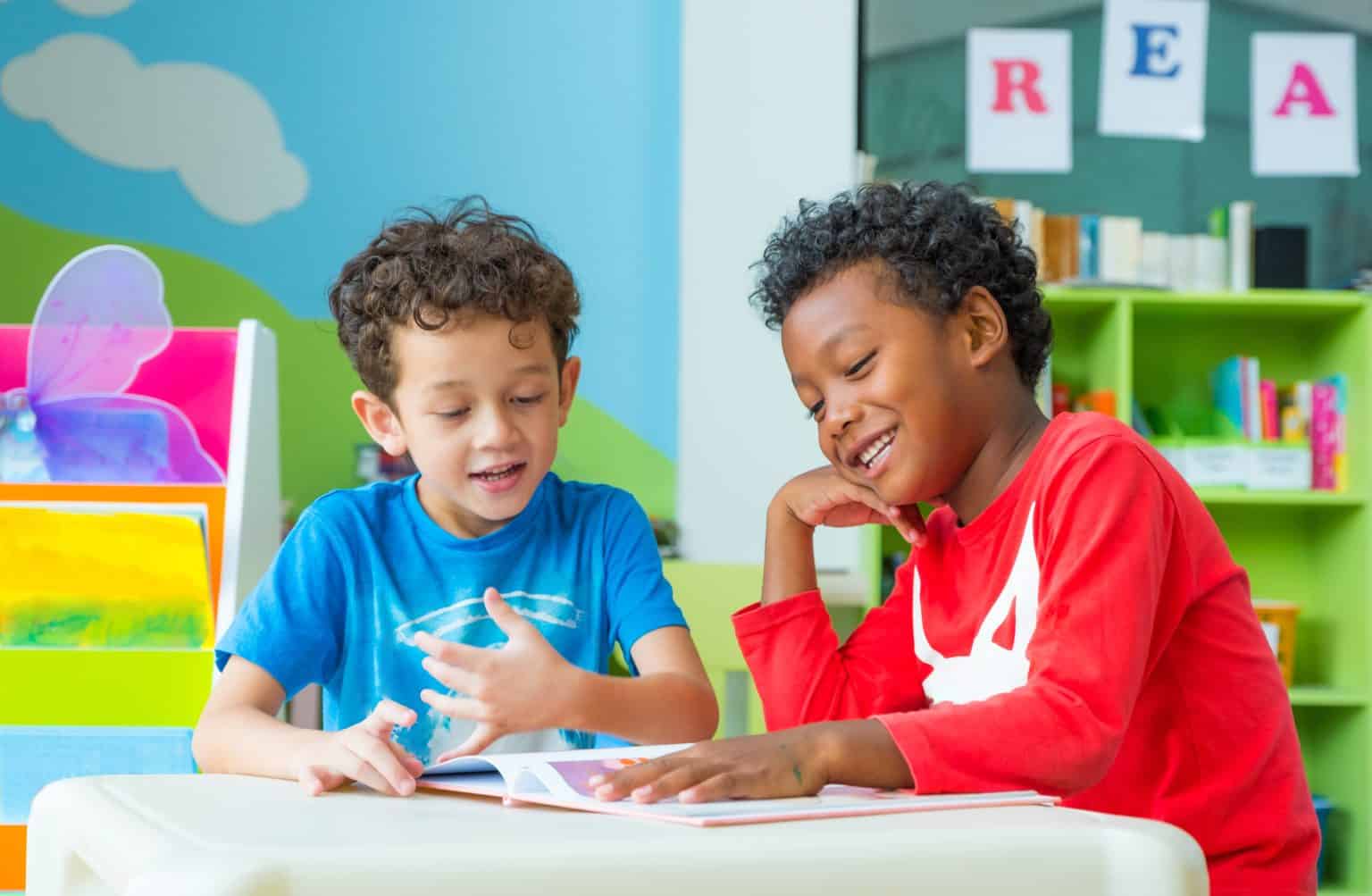
My neurodivergent (ND) kids have had an interesting time navigating relationships, especially developing friendships. My oldest son, for a long time, seemed content just to have his sister as a friend. My older daughter has always had one or two close friends, but she experiences anxiety if she feels like she messed up on something and her friends were unhappy with her. My younger son has had many friends, and I attribute that to early diagnosis and early intervention plus his experiences with drama and, I hate to admit it, D&D.
Over the years, I didn’t know how to help them make friends. I knew something was missing, but I couldn’t exactly teach them to “read the room,” could I?
As it turned out, I sort of could.
Here’s what I’ve come to believe: for many of our ND kids, friendship is less like a natural instinct and more like a skill set. That’s not a flaw — it’s just how their brains work. The unspoken social cues that most kids absorb without thinking have to be learned more explicitly, more intentionally. And that means we can actually teach them.
Drama class and role playing games were the turning point for my younger son. Not therapy (though therapy can help). Not a social skills workbook. Drama and role playing. Both helped him start to be able to read emotions on a page and put them in his body. He had to respond to another actor or character in real time. He had to stay present to someone else’s lines, not just his own. It clicked something in him that I hadn’t been able to reach with any amount of talking.
With my older two, we saw a similar situation. Children’s choir at church when my older two were young, and while it wasn’t as intensive, it had some of the same benefits — being part of a group, learning to listen, moving in sync with other people, and practicing drama. Any structured activity that requires your child to attune to others is doing friendship work, even if nobody calls it that.
What You Can Do at Home
Give them scripts. Not fake scripts — real ones. Practice what to say when a friend seems upset. “You seem kind of quiet today — are you okay?” Practice what to do when you’ve been talking a long time and you’re not sure if the other person is still interested. “Hey, I’ve been going on about this — what’s something going on with you?” These feel awkward at first. That’s fine. Awkward and practiced beats oblivious every time.
Debrief after social situations. Not in a critical way — in a curious way. “What do you think your friend was feeling when you said that?” “Did you notice when the conversation shifted?” You’re building the habit of noticing, which is the foundation of everything else.
Name emotions constantly in everyday life. The more your child hears emotions labeled out loud — “I can tell Dad is stressed today, see how quiet he is?” — the more they build an internal vocabulary for reading people and understanding their own emotions. This is slow work. Do it anyway. Recognizing the emotions is often a huge step in regulating those emotions for themselves, and then also being able to read them in their friends.
Celebrate small wins. When your ND child asks a follow-up question, or checks in on a friend, or stops talking about their own topic to ask about yours — that’s huge. Say so. “Did you notice what you just did? That’s what a good friend does.”
One more thing, and I say this as someone still in the thick of it with adult children: this doesn’t get finished. All three of my ND kids are genuinely good at friendship now in ways they weren’t at ten or even fifteen. But it’s still something they think about, still something they work at. That’s not failure. That’s just being human — some of us work harder than others at things that some people never have to think about.
Your child can learn this. It will take longer. It will take more help. It will be worth it.
Family PEACE Plan
*The Family PEACE Plan is a series of five 7-day challenges designed to help you build a calmer, more connected family culture. If you’re ready to start, come find us here.