
Mixed Needs Parenting
Nine Nifty Ways to Meet Our Neurotypical Child’s Needs in a Mixed Needs Family
January 29, 2026
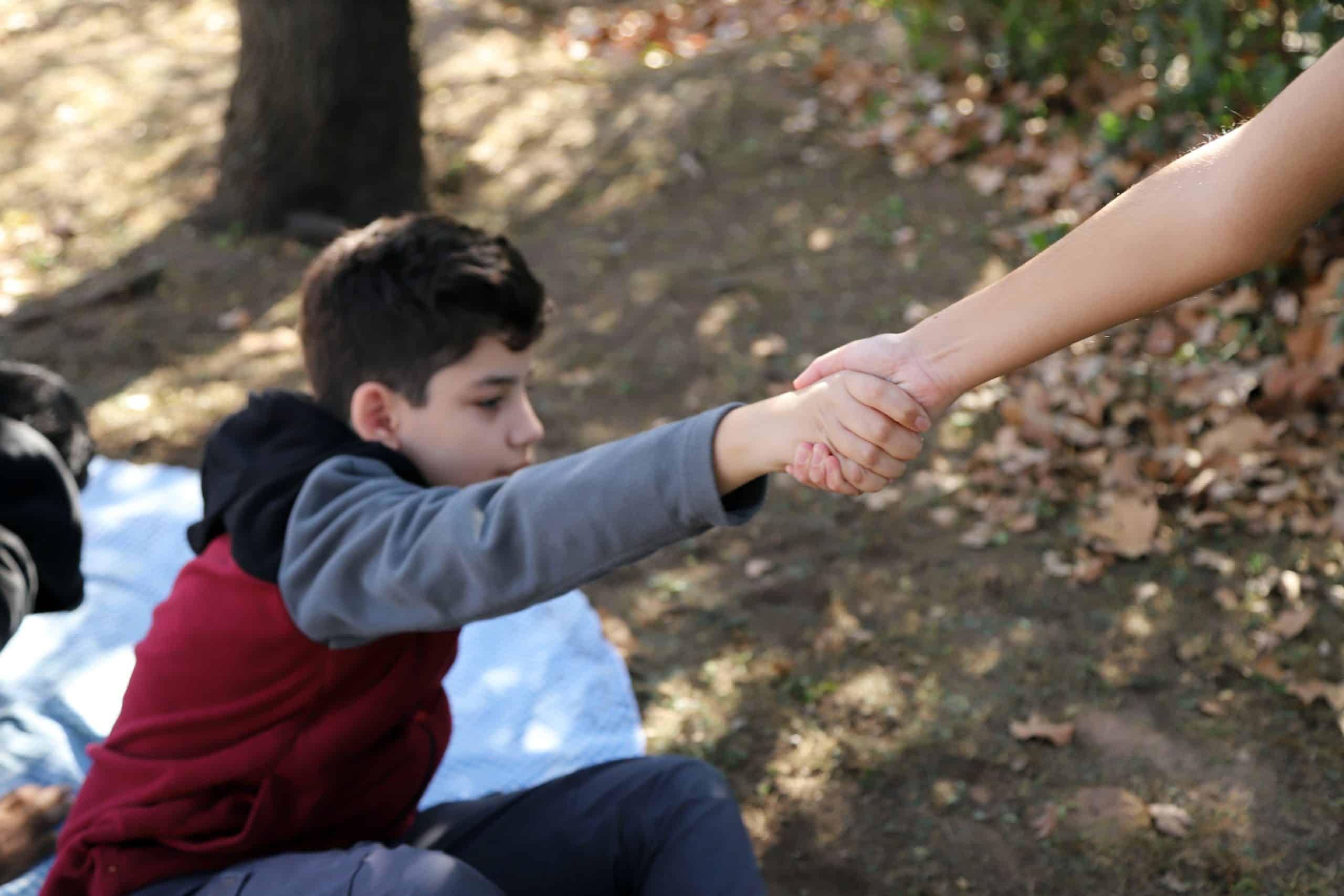
Planning a vacation with our family is interesting. Everyone loves to travel, and everyone loves road trips. However, most similarities end there. Everyone likes different kinds of food. My neurodivergent kids would enjoy a museum or playing games together, but my neurotypical child would rather be hiking or ziplining. We found some great museums that involve hands-on adventure as well as art. But it’s not always easy. In fact, many of the activities Annie wants to do would terrify my other three. Most of our time, energy, and efforts are spent figuring out life for our neurodivergent kids, and Annie feels like the odd one out.
The whole reason a mixed needs family is challenging is because we have children with such vastly different needs. We spend a great deal of time educating ourselves and trying to meet the needs of our neurodivergent children, and sometimes our neurotypical children can feel invisible.
How can we make all our children feel seen and heard? How can we help our neurotypical child feel appreciated, loved, and cared for? Here are a few easy ideas to implement.
Build Family Identity and Teamwork
We need to build the understanding of teamwork and family. We teach and live out that we are all part of this family that God has given us. Some families deal with different things. This is what we deal with. And we’re going to get good at it. Sometimes we do need help. Talk to your neurotypical children and remind them that they are so valuable and helpful. They make our family whole. They help their siblings so much. Acknowledge that they carry more than some of their friends might carry. Remind them that with God’s help, they can do it, and we apprecaite them. We carry each other burdens and help each other in our family. Acknowledging that they carry more goes a long way to helping them accept your family’s situation. It helps them recognize that they matter and are important. They are seen and needed.
Educate Them about Their Siblings
We need to teach them about the disability. We must help our neurotypical child understand what their siblings are experiencing. They need to understand when they need to over-explain something to their siblings or when their sibling isn’t capable of doing what another child their age may be able to do. Understanding and knowledge helps us all have more patience and strategies to help our family function well. It helps our neurotypical child recognize that we aren’t playing favorites. We are dealing with our family’s reality.
Help Them Be a Child
We must find ways to celebrate childhood and help them remain a child. As the parent, we must try hard not to rely too much on our neurotypical child. That child is not a mini-mama or mini-dad. They are still children, and we need to remind ourselves of that often. Make sure they are not carrying too much, especially not carrying worry or concern for the family and their siblings. Talk often to check how they are feeling or what they think about things. We don’t want resentment or bitterness to build. We don’t want a child to experience burn out or discouragement. Help them be a child and think about childish things. That’s what they are supposed to do right now.
Make Time for Your Neurotypical Child
We need to find one-on-one time with each child. Even if you can’t manage a date night with each child or a play date with each one, we can spend special time with a child while others are napping or while others are reading silently. If you allow computer or TV time, you can meet with one child at a time while the others have screen time. Whatever you need to do to be able to spend time, especially with your neurotypical child or children, you need to do it. One spouse can stay with the other children while you take one child with you to the store and stop at the park on the way home. It doesn’t require much. It just requires intentional time where you can talk and laugh together.
Over Communicate
We let every child know that our family talks about things. We are not afraid of feelings or questions or concerns. We are respectful to each other and talk about anything. That way if a child is feeling ignored or stressed, they can talk to us about it. Check in with your neurotypical child regularly. Ask how they are doing and make sure they are really talking to you. In fact, we must over-communicate. It is vital to run the family well and to keep our fingers on the pulse of our children’s feelings. If we don’t stay tuned in to our children, we can miss what is really going on under the surface in our family, and no one feels seen or heard or understood.
Teach Them to Get Your Focused Attention
Along those same lines, we must teach our neurotypical child to make sure they have our attention. With all the things we have going on and all we are keeping track of, sometimes we just don’t hear what our neurotypical child is telling us, and that is definitely not okay. We must teach them to make sure they have our attention, so we really hear what they are saying. Teach them to make sure you can listen – your not in the middle of dealing with something else important – and that they have your focused attention, looking them in the eye. This one is so important.
Create Your Village
We must recognize when our child needs counseling or another adult in their lives. Your child may be dealing with a lot of emotions, questions, and insecurities. Sometimes they may need professional counseling or another adult you trust who can do things with them. We are not failing as long as we are helping them meet their needs. We are doing what we need to do to help our family succeed. We need to build a community of people around us who understand our situation and want to help. Maybe they also are a mixed needs family or maybe you have friends who can spend time with your children as needed.
Have Neurotypical Fun Too
Occasionally, we must choose the neurotypical child’s choices for activities. Sometimes the neurotypical child has vastly different interests than their neurodivergent siblings. When deciding what the family is going to do, we will often choose the neurodivergent children’s choices because we don’t want the struggles and challenges that we know we will most likely face if they do something they are uncomfortable with. We must do it anyway. We can make it work somehow. We can do it. We can make accommodation as needed or have an alternative plan if everyone just can’t participate, but we need to do what we can to engage with our neurotypical child’s idea of fun.
Let the Love Languages Work for Us
It helps us tremendously when we understand all of our children’s love languages. When we take the time to minister to each child in their love lanugage, they flourish. Our neurotypical child will feel loved, seen, and understood even more. Additionally, as we understand each other’s love languages, we also recognize when someone is saying, “I love you,” by what they are doing or saying. It makes a huge difference in the family culture.
When we make it a priority to use these ideas, we help all our children feel seen, heard, and understood. We help our family build an identity and feel a part of the team. Our neurotypical child needs a good childhood too. They need to know how very much we love and appreciate them. They need to know that we are proud of them and so thankful for them. They need to know we love being their mom or dad. We can build a healthy, whole family when we make sure we are meeting everyone’s needs.
A friend is always loyal, and a brother is born to help in time of need. (Proverbs 17:17, NLT)