
Family Discipleship
In Defense of Boredom: What Happens When We Stop Filling Every Minute
June 24, 2026
“Be still, and know that I am God.
I will be exalted among the nations,
I will be exalted in the earth!” (Psalm 46:10, ESV)
My sister and her advanced science class were left alone for a few moments, and in that quiet moment, curiosity took over. When the teacher returned to the class that was supposed to be dissecting fetal pigs, she found the intestines of one of the pigs wound around all the desks in the room. The students wondered just how long a pig’s intestines were.
In the summer before my 7th grade year, my mom went back to work. We lived outside city limits far from anyone or anything. We were bored. As a result of that boredom, I wrote numerous poems and painted pictures. I also tried building a hammock that did not succeed, but that’s a story for another day.
Sometimes, we have become terrified of the empty moment. The second a child says “I’m bored,” most of us reach for a solution — a screen, an activity, a suggestion, anything to fill the gap. We’ve treated boredom like a problem to solve rather than a condition to allow.
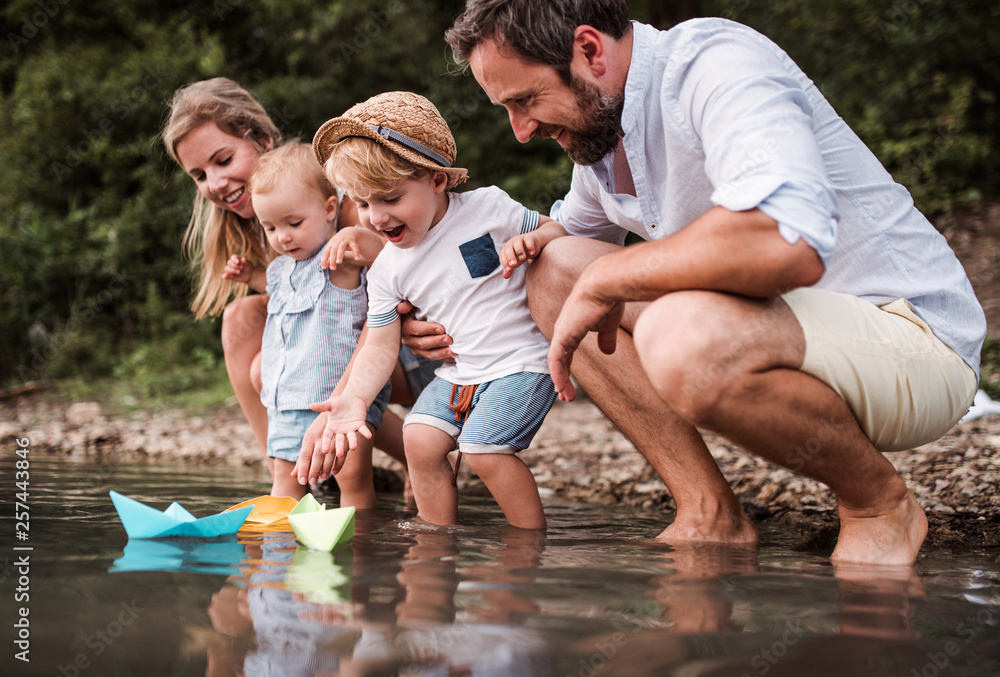
But boredom is not the enemy of a good summer. It might be the best part of one.
Neuroscience has been quietly making the case for unstructured time for years. When the brain isn’t being driven by external input, it shifts into what researchers call the default mode network — the mental space where imagination activates, where problems get processed, where creativity emerges. Children who are allowed to be bored learn to generate their own inner world. They discover what they’re really interested in, without the noise of entertainment telling them what to want. They build the capacity to sit with themselves, which is a capacity that will serve them well for the rest of their lives.
For mixed-needs families this requires nuance. Some neurodivergent children genuinely cannot tolerate unstructured time without support — the anxiety it produces is real. The goal isn’t to withdraw all scaffolding. It’s to gradually expand the child’s tolerance for open space, in doses they can manage, with a parent nearby rather than a screen filling the gap.
And for neurotypical siblings? Boredom is often where they finally get to just be a kid — not the helper, not the one holding it together, not the one whose needs got quietly deprioritized because someone else’s needs were louder. The empty afternoon is a gift to that child specifically. We need to let them have it. Realize, though, that they may also have trouble with it. Often, they have been carrying the weight of the world on their little shoulders, and they may find it hard to just “be” and enjoy being quiet.
Psalm 46 tells us to be still and know that He is God. That stillness isn’t passive or empty. It’s a posture of attention, of openness, of letting God be God in the quiet instead of constantly filling the quiet ourselves. Children who learn to tolerate boredom are, in some small way, practicing that posture.
They’re learning that the world doesn’t collapse when nothing is happening. That’s huge.
One practical way to ease boredom without eliminating it: story prompts. A single line — the beginning of a story, or an ending that needs a beginning — gives a child’s imagination a doorway without building the whole room for them. In the waiting room, at the airport, in the back seat of the car, one prompt can launch twenty minutes of quiet creativity. Each child builds their own story in their head or in a notebook, and afterward everyone shares. It becomes a family game that costs nothing and produces something.
I’ve put together a free card with story starters and story enders you can print, fold, and slip into your purse — ready for any waiting moment this summer. [EMAIL OPT-IN LINK]
The bored child in the back seat is not a problem to solve. They’re a mind with room to grow. Give them a doorway and get out of the way.
(Pro Tip: Maybe keep an eye on your children’s curiosity and creativity. You may not have fetal pig intestines to deal with, but you may find bugs frozen in an ice tray to see if they can survive cold, or need a new microwave because someone wanted to see what happens when you microwave a battery, a coin, and a dry erase marker. This is where Road Trip Kits and art supplies, pencil and paper, and bicycles come in handy this summer – ask me how I know – LOL).