
We’ve been sharing blog posts about the main questions we’re asked about discipling our children. If you missed the first two questions and the introductory post, you can find them on the blog on my website: terriehellardbrown.com.
Susie and Michael are fighting as usual. Michael is two years older than Susie, and he tries to tell her what to do all the time. She’s sick of it, and she lets him know it, and she definitely isn’t using her “indoor voice” to share her anger.
What is our response? Which of the following sound most like you? Which is healthy discipleship?
Separate them and make them sit on their beds until time for dinner
Force them to apologize to one another and remind them that we all need to forgive one another because Jesus forgave us.
Sit them down and talk to them about how “a friend loves at all times, but a brother is born for adversity.” (Proverbs 17:17). That doesn’t mean that a brother is born to argue with you, but it means that brothers and sisters are supposed to be there for one another. You may even throw in a little guilt trip just to drive the point home.
Sit them down and have them calm down. Maybe you pray for them as they are calming down. Then, you ask Susie why she is upset. Ask Michael if he heard her and what does he think about it? Ask Michael why he felt he should tell Susie what to do? Ask him how he feels when she tells him what to do. Why do they think they both don’t like being told what to do by their sibling? Is there another way to handle the situation? What Bible verse might they use to remind themselves to respect their sibling. Ask them how they could have handled the situation better and what they plan to do next time. Share a verse with them that can help them remember to respect one another. End by praying together.
Our third question parents ask us about discipling their children is how to do it without making it seem forced. Too often we take the opportunity, especially if our child has done something wrong, that they know is wrong. We start to try to drive home an important lesson and help them change their behavior. This kind of “discipleship” is really behavior modification and kind of “kicking them when they’re down.” The lesson is forced because they are not ready to receive it. They are probably emotional, and we probably are too.
However, if we have a situation where our child is asking questions or we are having our family devotion time and the child confesses that he didn’t handle a situation correctly, it is a natural and welcome conversation to discuss what might have been a better response or taking the time to answer the questions.
Real discipleship happens naturally as we do life together. That does not mean we aren’t intentional in focusing on Truth and making sure our children know it. We must be intentional and purposeful in teaching our children the ways of God, the commands of God, and the life of following God. There are ways we can do this without making it seem forced, but a natural part of our lives.
1. It is a natural part of our lives. That may seem silly, but it’s true. If we are followers of Christ, we are disciples, and disciples make disciples as a natural part of their lives. We teach others what God has taught us. We share our testimonies of what he’s done in our lives. We can’t help but talk about God, and we also can’t help but live out the practices of our faith in front of others such as praying, worshiping, thanking God, and ministering to others. Our normal daily activities should reveal the reality of our faith in every part of our lives. These visual life lessons are seen by our children, and they see it as normal life. Going to church is normal. Praying before meals is normal. Turning to God in prayer is normal when faced with a tense or frightening situation. This is just a natural part of our lives.
I remember when my daughter was about four years old, and we encountered a car accident on our way home. Without prompting, she said, “Daddy, we need to pray for those people.” Her response wasn’t learned from a lesson—she had simply observed our family’s habitual response to crises. When faith becomes our natural response to life, our children absorb it without feeling it’s being forced upon them.
2. All discipleship should be natural and unforced. We are not preaching to our children. We are walking alongside them as they investigate Christianity, embrace it, and learn to walk in it. We must make it a priority, and that means when our children have spiritual questions, we take the time to answer them thoroughly. When we make discipleship more of a relationship, we can easily break out of an attitude of forcing lessons or corrections on our children.
This relational approach means creating space for doubts and questions. When your ten-year-old asks why God allows suffering, resist the urge to give a quick theological answer and move on. Instead, sit with them, share your own journey with that question, and explore Scripture together. These conversations build trust and show that faith can withstand honest questioning.
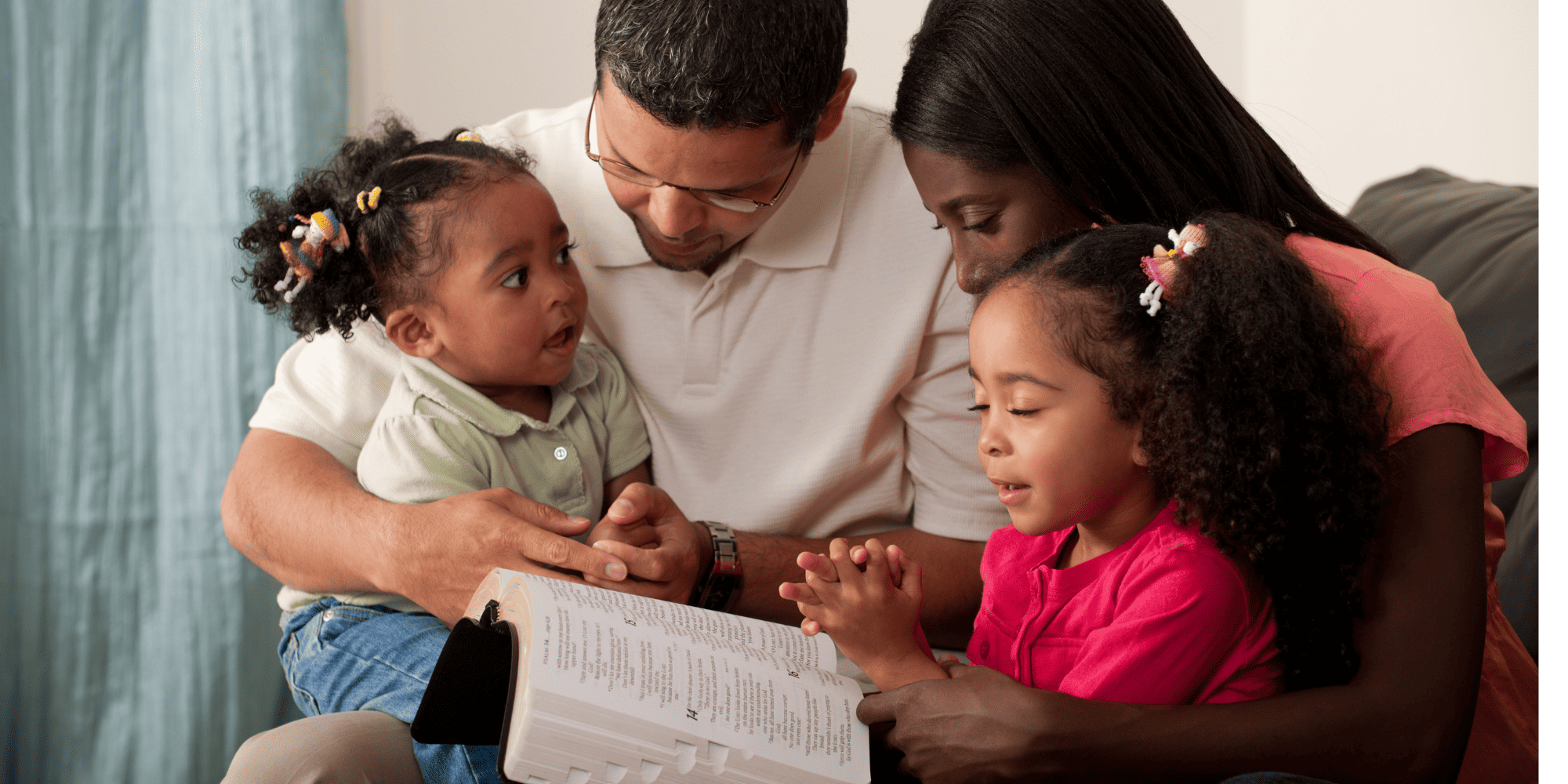
3. Discipleship should be intentional and incidental rather than forced. It needs to be a part of our relationship with our children – that we teach spiritual truths as those questions and teachable moments arise. However, we also need to be intentional. For instance, we may choose to read the Bible every morning at breakfast. Over time, we will have read the whole Bible together and talked about each day’s verses together. We make It intentional when we pray together before meals, before bedtime, or when a problem arises.
The “incidental” moments often have the greatest impact. When admiring a sunset, quietly mention God’s creativity. When your child accomplishes something, thank God together for the abilities He’s given them. When you see someone homeless, discuss God’s heart for the vulnerable and how you might respond. These everyday moments connect faith to real life in ways formal lessons never could.
4. Create traditions that center around faith without feeling like lessons. Family traditions carry immense power because children love routine and predictability. Consider starting traditions like a weekly family game night that ends with sharing things you’re thankful for, or a monthly service project where you help others together. During holidays, focus on the spiritual significance through activities your children enjoy—baking resurrection cookies at Easter or creating a Jesse tree during Advent.
These traditions feel like celebration rather than obligation and create positive associations with faith practices. Our children often recall our tradition of reading the Christmas story from the Bible and discussing it each Christmas before opening presents or our practice of participating in a live nativity or community choir concert where we prayed for and ministered to people. These events powerfully affected our children’s lives.
5. Admit your own struggles and growth. Nothing feels more forced to children than perfect, polished faith that never acknowledges difficulty. When appropriate, share your own questions and growth areas. Let them see you working through challenges with God’s help. Apologize when you make mistakes. This vulnerability and transparency makes faith real and accessible to your children.
When they see that your faith helps you navigate real difficulties—and that you’re still learning too—they understand that discipleship is a lifelong journey we walk together, not a series of lessons to be memorized and performed.
Conclusion: Grace in the Journey Remember that discipleship is not about perfection but presence—being present with your children and helping them recognize God’s presence in their lives. It is not behavior modification but heart change and truly becoming more Christlike. Some days will feel more natural than others. There will be awkward conversations and missed opportunities. But when discipleship flows from relationship rather than obligation, these moments of connection will gradually shape your children’s understanding of what it means to follow Jesus. The goal isn’t to create perfect little Christians but to walk alongside our children as they develop their own authentic relationship with God—one that will sustain them long after they leave our homes.